AUSTRALIAN-DEVELOPED. GLOBALLY RELEVANT.
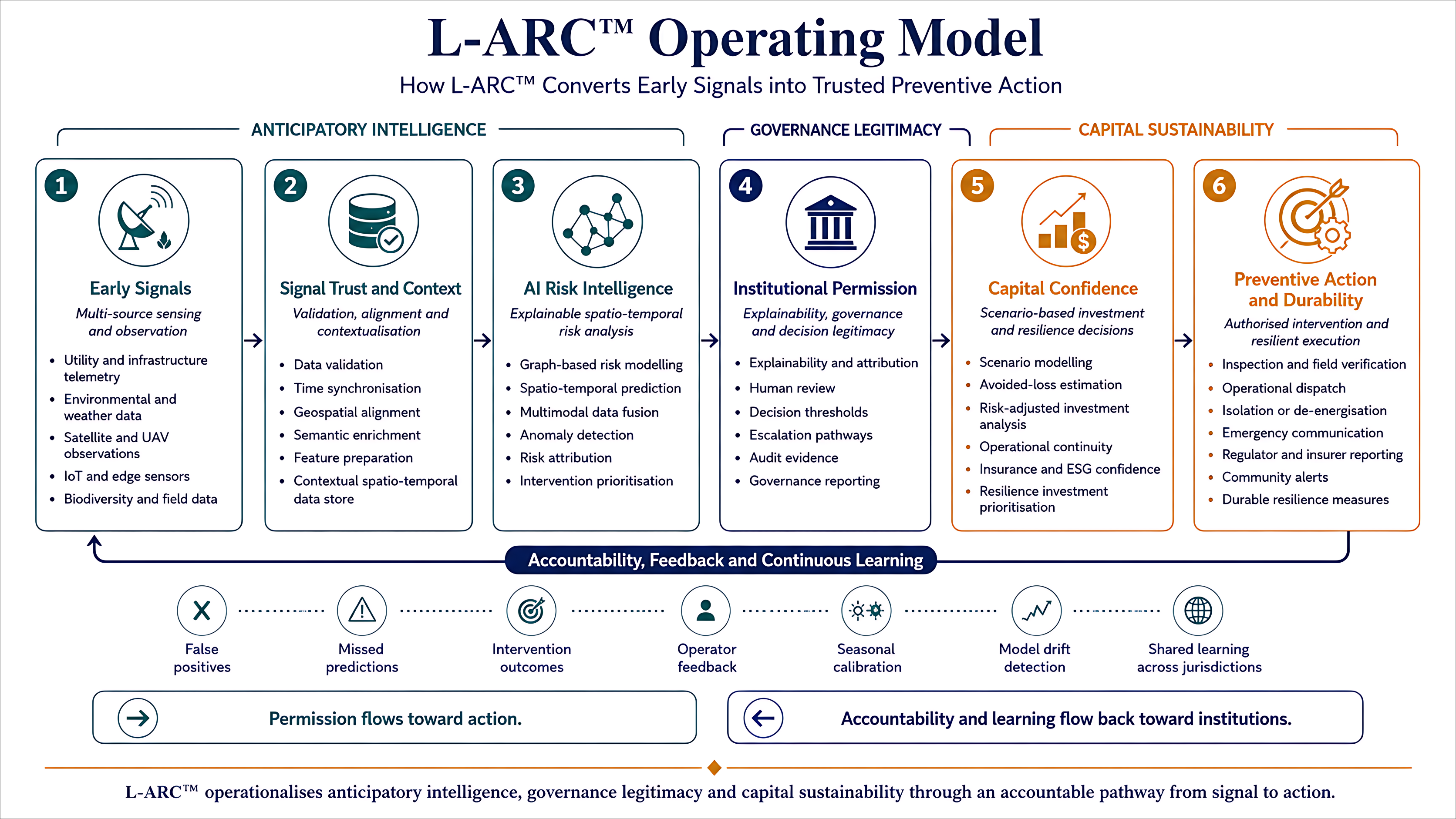
L-ARC™ is a human-governed framework that helps institutions move from prediction to prevention by connecting Anticipatory Intelligence, Governance Legitimacy and Capital Sustainability.
Designed for a world of interconnected environmental, infrastructure, societal and financial risks, L-ARC™ enables trusted, accountable and responsible action before harm becomes irreversible.
Three connected constructs that transform emerging intelligence into legitimate and sustainable preventive action.


Detect, connect and interpret emerging risks before they become irreversible harm.


Ensure decisions are explainable, authorised, proportionate and accountable under human governance.


Translate preventive resilience into avoided harm, durable value and measurable long-term investment.
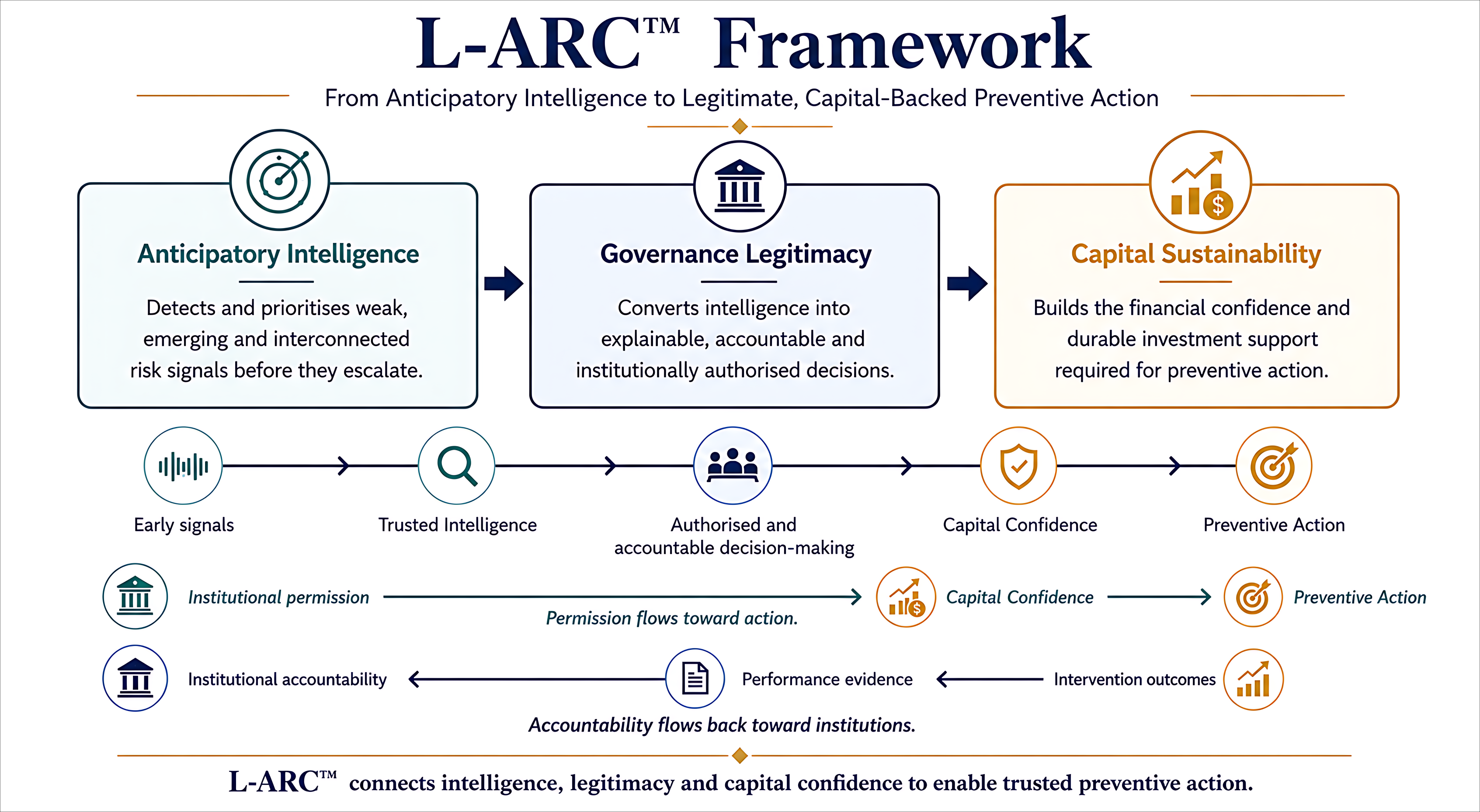
Leaders create the authority, governance, funding, logic and protection that allow responsible early action. Accountability remains visible, explainable and responsive throughout the decision process.

L-ARC™ was conceived to address the widening gap between what institutions can predict and what they are prepared, authorised and funded to prevent.
By connecting Anticipatory Intelligence, Governance Legitimacy and Capital Sustainability, L‑ARC™ helps institutions transform foresight into legitimate and sustainable preventive action.
Our capability to predict must be matched by our commitment to prevent.
L-ARC™ can be applied wherever emerging intelligence must become trusted, funded and accountable action.


Use landscape-wide sensor data to trigger early action response lines before flames outpace human control frameworks.


Channel deep environmental risk indicators into governance systems for real-time situational tracking.


Line AI models to dynamically route park rangers to protect habitat corridors and preventive surveillance networks.


Identify emerging risk lines across utilities, transport, telecommunication and core public service structures.


Construct accountable, verifiable AI model deployments with clear parameters for legislative environments.


Prepare systemic leadership to respond across interconnected threat lines—environmental, infrastructure, and social risks.
Books, peer-reviewed research, patents and applied work advancing AI, resilience and governance.
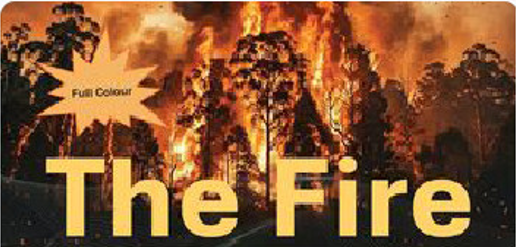
A prevention-first examination of why institutions often recognise the value of resilience only after severe damage has occurred—and how artificial intelligence, governance and economic reasoning can support earlier action.
Explore the Book
A five-book academic series spanning the foundations, applications, explainability, advanced AI, resilience intelligence and governance of Environmental AI
Explore the Series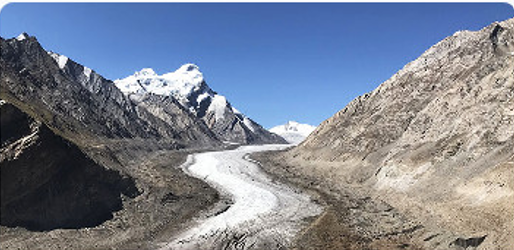
An AI-enabled governance framework connecting glacier retreat, ecological risk, community vulnerability and institutional readiness across the Himalayan region.
Explore the Research
Research connecting infrastructure conditions, environmental variables, predictive risk, governance decisions and resilience-value assessment.
Explore the Research
Four retrospective cases show how emerging signals, institutional
authority, investment confidence and preventive action interact
across different risk environments.
These cases apply L-ARC™ as an analytical framework. They do not
claim that L-ARC™ was used by the governments, agencies or
organisations involved.
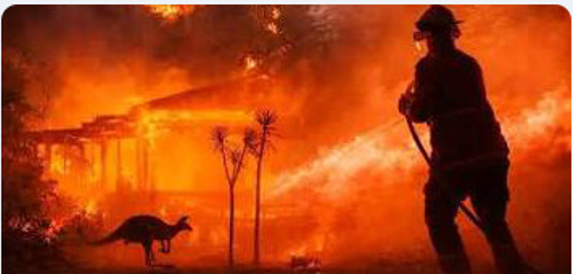
Black Summer demonstrated how hotter seasons, drier landscapes and prolonged fire conditions can converge into ecological and institutional crisis.
Nearly 8 million hectares affected, including 54% of the World Heritage-listed Gondwana Rainforests.

The 2024 Rio Grande do Sul floods demonstrate how extreme rainfall can become a cascading crisis across cities, communities, infrastructure and public institutions.
By 18 June 2024, 478 municipalities and about 2.4 million people had been affected.
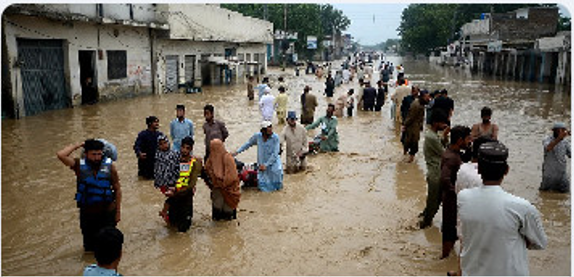
The 2022 floods show why forecasting alone cannot prevent harm when exposure, vulnerability, decision authority, resources and implementation remain disconnected.
Approximately 33 million people were affected and more than 8 million were displaced.
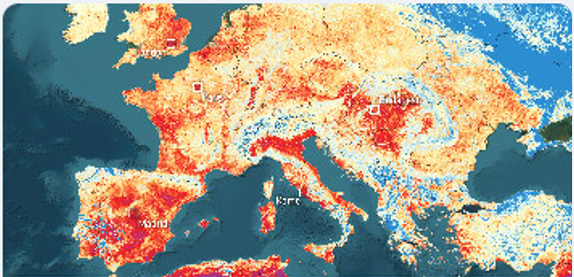
Europe's 2025 climate extremes show how heat, drought, wildfire, public health, energy demand and infrastructure risk can interact across jurisdictions.
At least 95% of Europe experienced above-average annual temperatures during 2025.